
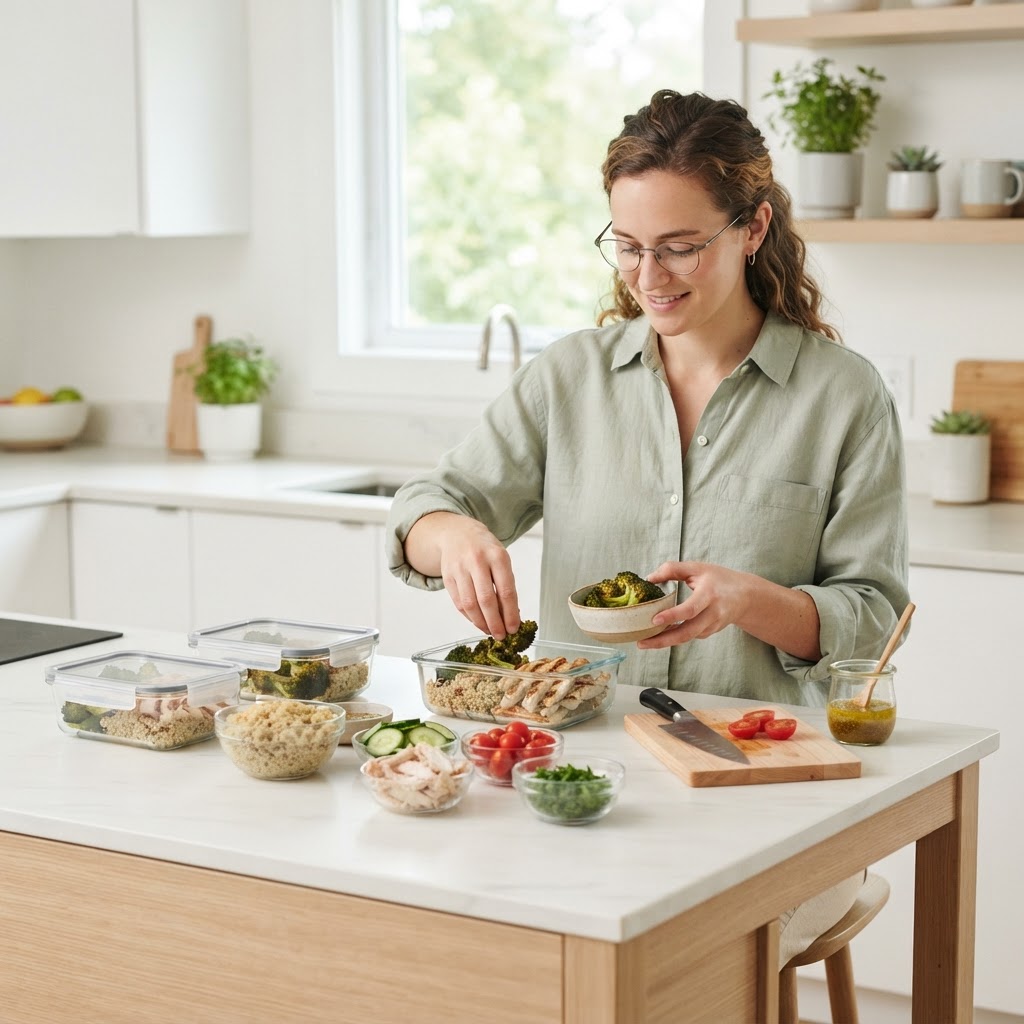
Simple Meal Prep for Neurodivergent Adults: Low-Effort Tips
If you struggle with the constant cycle of planning, shopping, and cooking, you are definitely not alone. For many neurodivergent adults, the kitchen is a massive source of sensory overload and executive dysfunction. The good news is that simple meal prep for neurodivergent adults doesn't mean spending hours chopping vegetables or washing mountains of dishes. You can absolutely stay fed, healthy, and happy by focusing on "low-friction" eating that respects your brain's unique needs. We are going to throw out the "perfect cook" rulebook and replace it with strategies that actually work for your energy levels.
Why Standard Meal Prep Fails Us
Most mainstream advice tells you to spend your Sunday cooking five distinct, complex meals. If you have ADHD or autism, that sounds like a recipe for immediate burnout. When you have limited executive function, the act of deciding what to eat is often more draining than the cooking itself.
Traditional prep also ignores sensory triggers. Think about the last time you felt physically repelled by the smell of boiling meat or the repetitive sound of a blender. When you struggle with sensory processing, these things aren't just "annoyances"—they are barriers to entry. The goal here is minimizing friction. We aren't trying to become gourmet chefs; we are simply making it easier for your future self to grab a snack or meal without hitting a wall.
The "Low-Friction" Strategy
To make this work, stop thinking about "cooking" and start thinking about "assembly." You don't need a stove to make a balanced meal. Focus on items that have already done the heavy lifting for you.
- Pre-chopped veggies: Yes, they cost a little more, but they save you the executive energy of washing and cutting.
- Rotisserie chickens: The ultimate hack. Buy one, shred it, and stick it in the fridge for protein that goes on everything.
- Bagged salads: No chopping, no mess, just grab a bowl.
- Canned beans or lentils: Just open, rinse, and toss into a bowl with some seasoning.
By leaning on these "bridge" ingredients, you cut out the most overwhelming parts of the process. Your energy is a finite resource, so spend it where it matters most to you.
Sensory-Friendly Kitchen Hacks
If the kitchen is a sensory nightmare, change your environment. If you hate the noise of the vent hood, wear noise-canceling headphones while you work. If you despise the feeling of "dish-hands," wear thick rubber gloves so you don't have to touch wet, soggy food residue.
"Cooking should be a way to nourish yourself, not a test of how much sensory overload you can endure. If a task hurts your brain, find a way to skip or outsource it."
Consider keeping a "safe foods" shelf in your pantry. When you are having a low-energy day, having easy-to-grab, reliable snacks—like granola bars, applesauce pouches, or protein shakes—can prevent the spiral of skipping meals entirely.
Batching Without the Burnout
Instead of full-meal prep, try "ingredient prep." This means you wash the fruit when you get home or portion out nuts into small bags so they are ready to grab. When you have the energy to do a little bit, do just one small task.
- Do not force a marathon session. If you have 10 minutes, use 10 minutes.
- Store things in sight. Use clear containers so you don't forget what is in the fridge. Out of sight, out of mind is a classic ADHD trap.
- Use paper plates if you have to. If doing the dishes is the only thing keeping you from eating, use disposables. It is okay to prioritize your health over perfection.
Simplifying Cleanup
Cleanup is often the part that stops us from starting. The best way to manage it is to clean as you go, but that is easier said than done. Instead, try the "Sheet Pan Method" for everything. When you roast all your food on one piece of parchment paper, you simply toss the paper afterward.
Minimal cleanup is a non-negotiable for low-effort eating.
- Buy one large, high-quality sheet pan.
- Use parchment paper or silicone mats to line it.
- Roast your protein and veggies at the same time.
- That is it. That is your whole process.
Embracing Your Needs
Being neurodivergent means your brain might not respond to "standard" motivation. That is perfectly fine. You don't need to love cooking to be successful at feeding yourself. Give yourself permission to eat the same three meals on repeat if that is what works for you. Variety is nice, but consistency is better for your nervous system.
Celebrate the small wins. Did you put a piece of cheese on a cracker today? That is a meal. Did you drink a protein shake because you couldn't face the stove? That is a win. You are building a system that serves you, not a system that looks good for a social media photo. Keep it simple, keep it sensory-friendly, and most importantly, be kind to yourself along the way.