
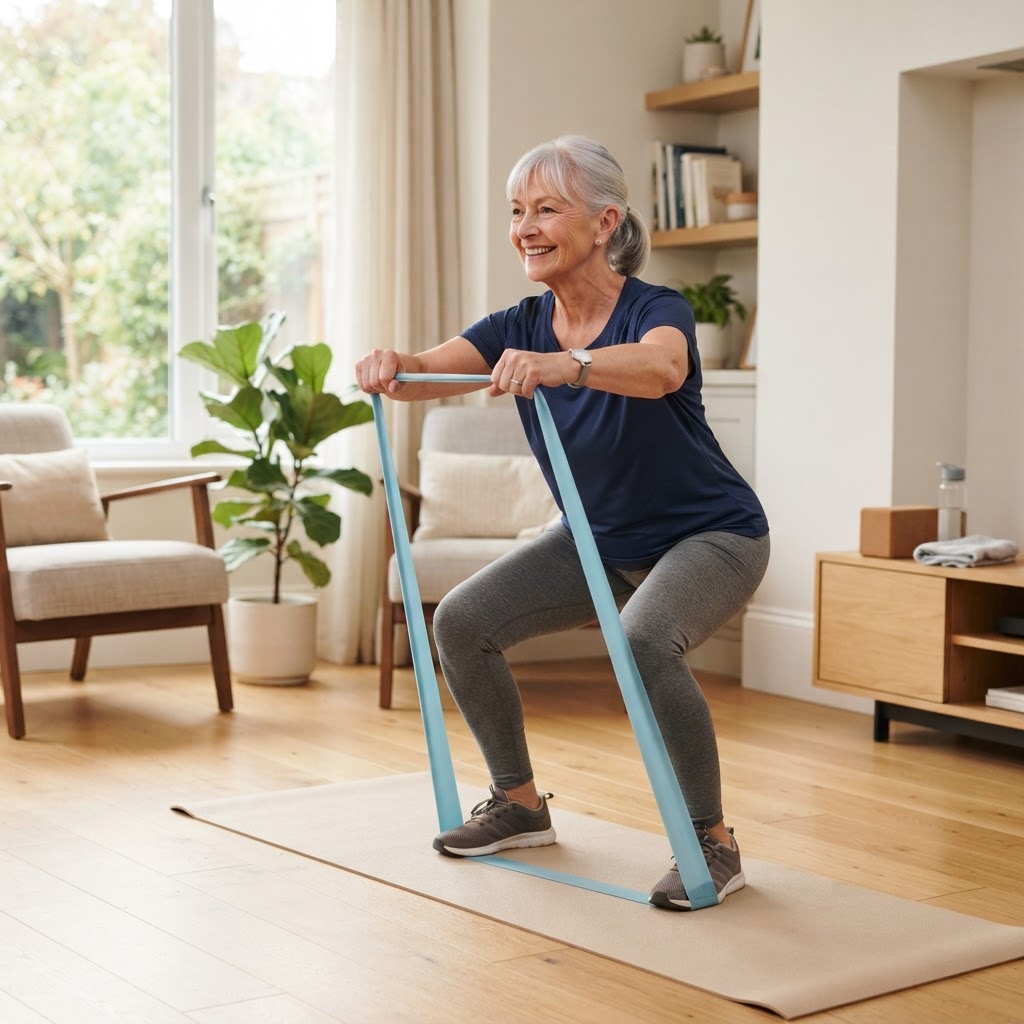
Low-Impact Strength Training for Seniors at Home
Staying active as you get older doesn't mean you need to hit a crowded gym or lift heavy iron plates. If you are looking for low-impact strength training for seniors at home, you have come to the right place. By using your own body weight and simple household items, you can improve your bone density, enhance your balance, and maintain the muscle mass necessary for everyday independence. The goal here is consistency and safety, not training for a marathon.
Why Strength Training Matters as You Age
Think about the last time you carried a heavy bag of groceries or climbed a flight of stairs. That is functional movement in action. As we age, our bodies naturally lose muscle mass—a process called sarcopenia. Without regular resistance, this can make daily tasks feel harder and increase the risk of falls.
Strength training acts as an anchor for your health. When you challenge your muscles, you are also sending a signal to your bones to stay dense and strong. This is one of the most effective ways to prevent osteoporosis and keep your skeleton resilient. You don't need a gym membership to see these benefits; you just need a plan.
"Resistance training is the single most important habit for maintaining independence as you enter your golden years. It is never too late to start building muscle."
Getting Started Safely
Before you start, remember that your comfort is the priority. Always listen to your body. If something causes sharp pain, stop immediately and adjust your movement. It is perfectly normal to feel a bit of muscle soreness, but joint pain is a red flag.
To keep your routine safe, focus on these three pillars:
- Controlled movement: Don't rush through the repetitions.
- Proper breathing: Exhale on the exertion, inhale on the release.
- Stability: Use a sturdy chair or a wall for balance support.
Your Home Workout Routine
This routine focuses on the big muscle groups that help you sit, stand, and reach. You can do this three times a week for maximum benefit.
1. Chair Squats
This is the king of functional exercises. It mimics the motion of sitting down and standing up from a chair.
- Stand in front of a sturdy chair with your feet shoulder-width apart.
- Slowly lower your hips as if you are going to sit, but just lightly tap the seat.
- Push through your heels to stand back up, keeping your chest tall.
- Perform 2 sets of 10 repetitions.
Tip: Keep your knees aligned with your toes to protect your joints.
2. Wall Push-Ups
Floor push-ups can be tough on the wrists and shoulders. Wall push-ups provide the same chest and arm strengthening benefits with zero joint stress.
- Place your palms flat against a wall at shoulder height.
- Step your feet back slightly so your body is at a gentle angle.
- Bend your elbows to bring your chest toward the wall, then push back.
- Focus on keeping your core engaged and your back straight.
3. Calf Raises
Balance starts from the ground up. Strong calves help with walking stability and circulation.
- Stand holding onto the back of a chair for support.
- Rise up onto your tiptoes as high as you can.
- Lower your heels back to the floor slowly.
- Do 15 reps to feel the burn in the back of your legs.
Making Progress Without Equipment
Once these movements feel easy, how do you keep getting stronger? You use progressive overload. This just means finding small ways to make the work slightly harder over time without needing heavy dumbbells.
- Slow down: Spend 3 seconds lowering yourself during a squat.
- Increase reps: Add two more repetitions to each set.
- Shorten rest: Reduce your break between sets from 60 seconds to 30.
- Add weight: Hold a canned food item or a water bottle in each hand.
Nutrition and Recovery
Muscle doesn't build itself out of thin air. You need to provide your body with the building blocks. Protein is essential for repairing the muscle fibers you stress during your workout. Try to include a source of protein—like eggs, yogurt, fish, or beans—with every meal.
Also, do not underestimate the power of rest. Your muscles grow while you are sleeping, not while you are exercising. Aim for 7-9 hours of quality sleep to let your body recover. If you feel particularly tired, it is okay to take an extra rest day.
Staying Motivated Long-Term
The hardest part of any routine is showing up. To stay consistent, tie your exercise to a habit you already have. Maybe you do your wall push-ups while the coffee is brewing or your chair squats before your evening news.
- Track your wins: Keep a simple notebook of your reps.
- Find a buddy: Invite a friend to exercise with you via a video call.
- Celebrate small gains: Notice how your clothes fit or how much easier the stairs feel.
Remember, your body is capable of amazing things at any age. By focusing on low-impact strength training, you are investing in your future self. Keep it slow, keep it safe, and keep it fun. Your journey toward a stronger, more mobile life starts with that first simple movement today.