
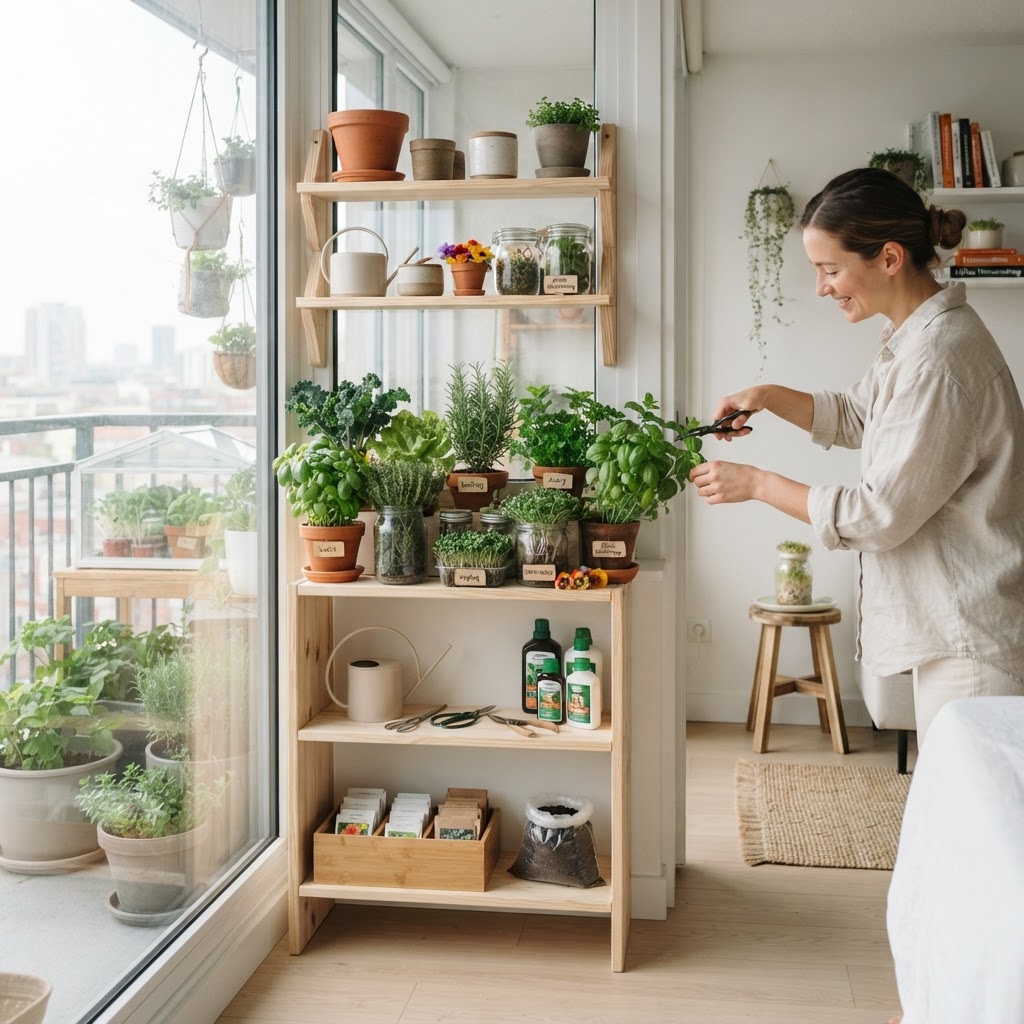
How to Start a Micro-Homestead in an Apartment
You don't need a sprawling backyard or a farm to embrace the homesteading lifestyle. Starting a micro-homestead in an apartment is entirely possible by focusing on vertical space and soil-free growing methods. Whether you have a sunny windowsill or a dedicated corner in your living room, you can harvest fresh herbs, leafy greens, and even dwarf vegetables right where you live.
Assess Your Sunlight and Space
Before you buy your first seed packet, you need to understand your environment. Most vegetables crave at least 6 to 8 hours of direct sunlight daily. Watch how the light moves through your apartment throughout the day. If your windows are north-facing or blocked by tall buildings, don't worry. You can supplement natural light with full-spectrum LED grow lights to keep your plants thriving.
Measure your vertical wall space and determine if you have sturdy spots for mounting shelving. You are aiming to grow up, not out. Think of your apartment as a grid; every square foot of wall is potential garden real estate.
The Magic of Vertical Gardening
Vertical gardening is the backbone of any successful apartment homestead. By stacking your plants, you can triple your harvest yield without taking up floor space. Use hanging planters, wall-mounted pockets, or tiered shelving units to create a living wall.
- Hanging Planters: Perfect for cascading greens like kale or trailing herbs.
- Wall Pockets: Felt pockets allow roots to breathe while saving wall space.
- Tiered Shelves: Great for heavy pots that need stability.
Remember to choose lightweight potting mix rather than heavy garden soil to protect your walls and ensure ease of movement. Your goal is to maximize your square footage by utilizing every inch of vertical air space.
Why Hydroponics is a Game Changer
If you want to avoid the mess of soil, hydroponics is your secret weapon. Hydroponic systems feed nutrient-rich water directly to the roots, which often results in faster growth rates than traditional soil gardening. For apartments, a Deep Water Culture (DWC) bucket or a simple countertop NFT (Nutrient Film Technique) system is ideal.
"Hydroponic systems can produce up to 25% faster growth than soil-based gardening while using 90% less water, making them the ultimate efficiency tool for urban growers."
These systems are self-contained, meaning you won't have to deal with loose dirt on your hardwood floors. Plus, you have total control over the nutrient intake of your plants, leading to robust, healthy greens year-round.
Choosing Your First Hydroponic Setup
For beginners, I recommend a kratky method jar setup. It is a passive hydroponic technique that requires no electricity, pumps, or complicated setups. You simply place your plant in a net pot filled with clay pebbles, set it in a mason jar with nutrient solution, and let the roots do the work.
- Get a dark-colored jar to prevent algae growth.
- Add a nutrient mix specific for leafy greens.
- Ensure the top third of the roots are exposed to air to prevent drowning.
Selecting the Best Crops for Indoor Spaces
Not every vegetable is meant for apartment life. Stick to high-value, fast-growing crops that provide a frequent harvest. Herbs are the absolute best place to start because you only need a little bit at a time, and they are expensive to buy fresh at the store.
- Basil and Mint: These grow like weeds and thrive in small pots.
- Loose-leaf Lettuce: You can harvest the outer leaves and let the center keep growing.
- Microgreens: These are ready to harvest in just 7 to 14 days and are incredibly nutrient-dense.
- Dwarf Cherry Tomatoes: Look for 'micro' or 'patio' varieties that are bred specifically for small containers.
Always check the seed packet for the word 'determinate' or 'dwarf'—these varieties won't take over your entire apartment.
Troubleshooting Common Apartment Challenges
Even with the best planning, you might face common indoor gardening issues. Pests like fungus gnats are the most common annoyance. They love moist soil, which is exactly why switching to hydroponics or using a layer of fine sand on top of your soil can solve the problem immediately.
Another challenge is air circulation. Apartments can get stagnant, which leads to mold. Use a small, quiet desk fan to keep air moving around your plants. This mimics the gentle breeze outdoors and strengthens the stems of your greens, making them more resilient.
Staying Consistent with Care
Your homestead is a living system that needs daily observation. Check your water levels every few days and inspect the undersides of leaves for signs of pests. If you catch a problem early, it is almost always fixable.
Celebrate your small wins! Whether it is your first harvest of fresh basil for your pizza or the first sprout of a new lettuce head, take pride in the fact that you are providing for yourself, even in the middle of a bustling city.
Final Thoughts on Your Urban Journey
Starting a micro-homestead is about more than just food; it is about reclaiming a connection to nature in an urban environment. Start small with one or two systems, master them, and slowly expand your green footprint.
Remember, your apartment homestead doesn't need to look perfect to be successful. As long as you are learning, growing, and enjoying the process, you are succeeding. Happy planting!