
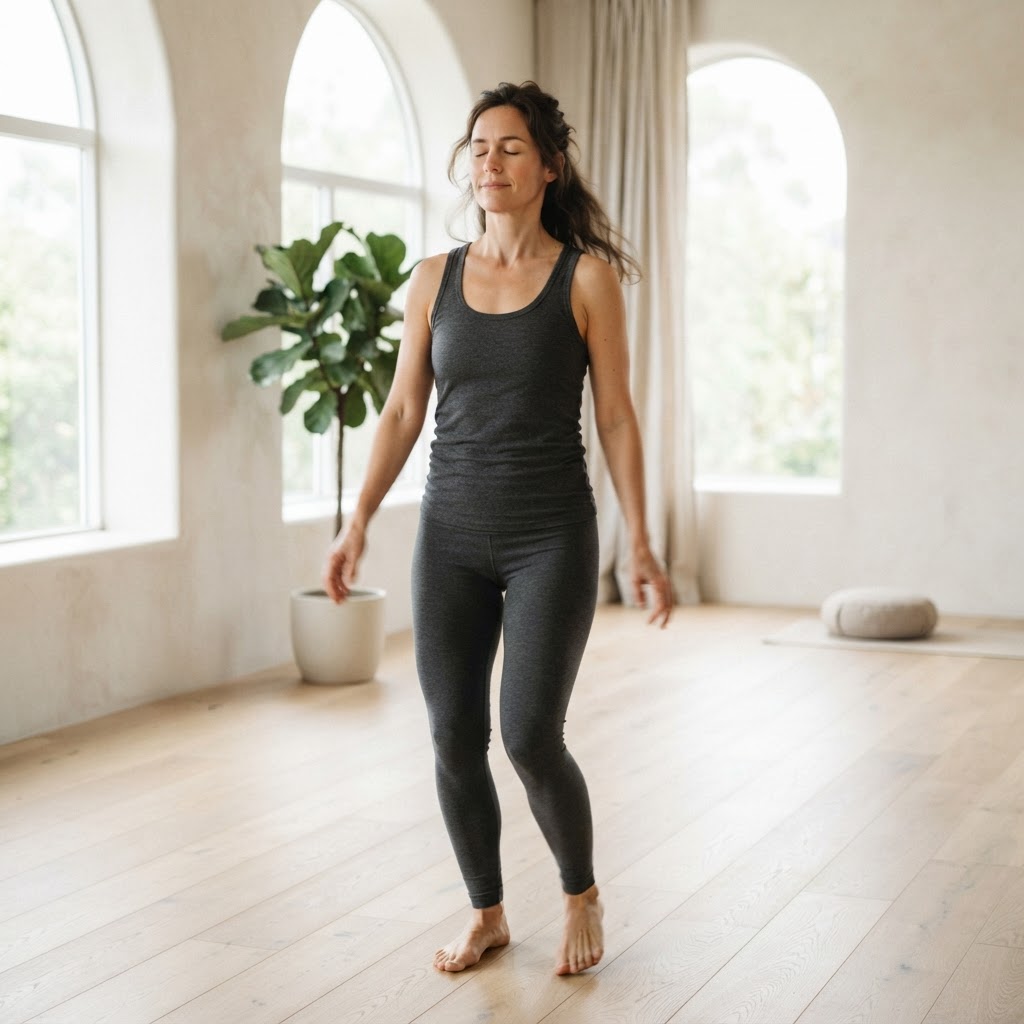
How to Practice Somatic Shaking for Nervous System Regulation
If you have ever felt your hands tremble after a near-miss in traffic or seen a dog shake off its fur after a stressful encounter, you have already witnessed somatic shaking in action. This natural, instinctual process is your body’s way of discharging built-up adrenaline and shifting your nervous system from 'fight or flight' back into a state of rest and repair. Learning how to practice somatic shaking for nervous system regulation is one of the most accessible, free, and effective ways to manage daily stress without needing any equipment or special skills.
Why Your Body Needs to Shake
When we experience stress—whether it is a looming work deadline or an argument with a loved one—our bodies prepare to survive. Our hearts race, our muscles tense, and our brains flood with cortisol. In the wild, animals 'complete the stress cycle' by physically shaking off that energy once the threat passes. Humans, however, often freeze or 'bottle up' that energy, leaving us feeling jittery, anxious, or perpetually on edge.
Somatic shaking bridges the gap between your physical body and your mental state. By intentionally moving your body, you are sending a clear, biological signal to your brain that you are safe. This is not just a 'woo-woo' concept; it is grounded in how our autonomic nervous system works to keep us balanced.
- It helps discharge excess adrenaline.
- It releases chronic muscle tension.
- It helps regulate the vagus nerve.
- It shifts your body from sympathetic (stressed) to parasympathetic (calm) activation.
Preparing for Your First Session
Before you start, find a quiet space where you feel comfortable being a little 'weird.' You do not need to be an expert in movement or mindfulness. The goal here is self-regulation, not perfect form. Wear comfortable clothing that allows your limbs to move freely.
"Shaking is a biological reset button. When you allow your body to tremble, you are telling your nervous system that the danger has passed and it is time to come back home to safety." — Anonymous somatic practitioner
Start by simply standing with your feet hip-width apart. Let your knees be soft—not locked—because locked joints trap energy rather than releasing it. Take a few deep, intentional breaths and notice where you feel tension. Is it in your shoulders? Your jaw? Your lower back? Just notice it; you do not need to fix anything yet.
Step-by-Step: How to Practice Shaking
Follow these steps to safely and effectively engage your nervous system through movement:
- Start with the feet: Begin to bounce gently on your heels, allowing the vibration to travel up through your legs.
- Engage the arms: Let your arms hang loose by your sides, or gently swing them. If you feel silly, that is okay—let yourself giggle, which is another form of nervous system release.
- Include the torso: Add a little bounce to your knees. Let your shoulders loosen and flop. You want to feel like a rag doll.
- Vocalize (Optional): If you feel comfortable, add a sigh, a hum, or a loose 'ahhh' sound. Exhaling deeply helps activate the vagus nerve, which accelerates the calming process.
- Let it happen: Eventually, stop controlling the movement. Let your body find its own rhythm. You might find you want to shake one hand more than the other, or bounce harder. Trust your body's wisdom.
Continue this for 2 to 5 minutes. If you feel dizzy, slow down and come back to a gentle sway.
Recognizing the Shift in Your Body
After a few minutes of shaking, you might notice subtle changes. Maybe your breathing has slowed down automatically. Perhaps your shoulders have dropped away from your ears, or your mind feels slightly less cluttered.
Consistency is more important than duration. You do not need to shake for an hour. Doing two minutes of shaking after a difficult meeting is infinitely better than waiting until the weekend to try a long session. The goal is to build a habit of releasing stress as it happens rather than letting it accumulate over the week.
Frequently Asked Questions
It is normal to have questions when trying something new. Here are a few things to keep in mind as you incorporate this into your wellness routine:
- Is it normal to feel emotional? Yes. Sometimes releasing physical tension unblocks stored emotions. If you feel like crying or laughing, let it happen. It is just your body processing.
- How often should I shake? There is no hard rule. Try doing it once a day, perhaps in the morning to wake up or in the evening to wind down.
- Can I do this seated? Absolutely. If standing is difficult, sit on the edge of a chair and bounce your heels or shake your hands and arms. The goal is the movement, not the posture.
Making It Part of Your Day
To make this a sustainable part of your life, 'habit stack' it with something you already do. Maybe you shake for sixty seconds while the coffee is brewing. Or perhaps you do a quick shake right after you shut your laptop at the end of the workday. By turning nervous system regulation into a simple, automatic habit, you give your body the gift of constant care. You are allowed to be human, and your body is more than capable of finding its way back to center if you give it the chance to shake it off.