
How to Host a Clothing Swap Party: A Sustainable Guide
Hosting a clothing swap is one of the most effective ways to refresh your wardrobe, clear out your closet, and hang out with friends without spending a dime. To host a successful event, you simply need a clear set of rules, a designated space, and a group of friends eager to trade. By following a structured plan, you can transform a pile of unwanted clothes into a curated collection of 'new' outfits for everyone involved.
Why Host a Clothing Swap?
Fast fashion has a massive environmental footprint, and most of us have clothes sitting in our closets that we simply don't wear. A clothing swap party is a circular fashion solution that keeps garments out of landfills while giving you the thrill of a shopping spree for free. It’s about more than just clothes; it’s a community-building activity that challenges the 'buy-new' culture.
- Save money by trading instead of buying.
- Reduce textile waste by giving clothes a second life.
- Build stronger social connections with friends and neighbors.
"The most sustainable garment is the one already in your closet." — Orsola de Castro
Step 1: Set Your Ground Rules
Before you send out the first invitation, you need to establish how the swap will work. If you don't set expectations, you might end up with bags of stained or damaged items that no one wants to take home. The most important rule is that everything brought for the swap must be clean, gently used, and in great condition.
Define Your Swap Parameters
- Item Limit: Ask guests to bring a specific number of items, usually between 5 and 10, to ensure a fair distribution.
- Category Focus: Decide if it is an "anything goes" event or if you are focusing on specific items like vintage finds, winter gear, or accessories.
- The 'Take Home' Policy: Be clear about what happens to leftover items. Do they go to a charity shop, or are they returned to the original owner?
Step 2: Logistics and Preparation
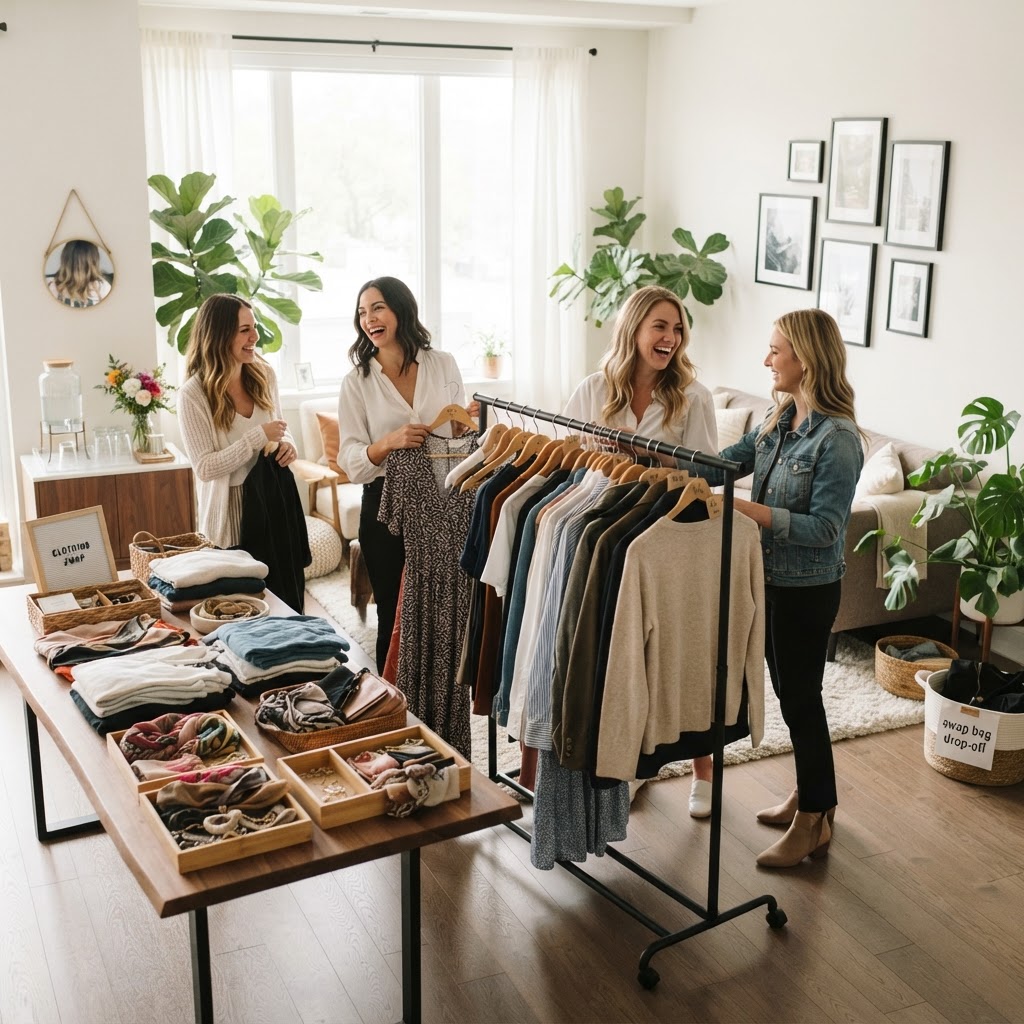
You don’t need a massive venue to host a successful swap. A living room, a garage, or even a local community center works perfectly. The key to a stress-free event is organization. You want the clothes to be displayed so people can actually see what they are picking up, rather than digging through messy piles.
Creating a Boutique Atmosphere
- Use Clothing Racks: If you don't have enough, ask friends to bring collapsible ones.
- Organize by Size or Type: Grouping items by category (tops, bottoms, dresses) makes the experience feel like shopping at a boutique.
- Provide Full-Length Mirrors: People need to see how a garment fits before they commit to taking it.
- Set Up a Fitting Area: Use a corner of the room or a guest bedroom so guests can try on their finds in private.
Step 3: Managing the Event Flow
On the day of the swap, you want to maintain a sense of calm. Instead of a free-for-all, consider a staggered start. You can have a "preview period" where guests browse the items for 15 minutes before any swapping is allowed. This gives everyone a fair chance to scout for their favorite pieces.
Keep the Energy High
- Provide simple refreshments like water, lemonade, or finger foods to encourage mingling.
- Play some upbeat music to keep the mood light and fun.
- Have a designated "checkout" area where guests can drop off their bags and prepare for their new arrivals.
Handling Leftover Items
After the event, you will likely have a pile of clothes that didn't find a new home. This is the critical final step in your sustainable mission. Don't just dump these items on a charity store doorstep. Instead, research local shelters or textile recycling programs that can process materials that are beyond repair.
- Keep a list of local donation centers that accept specific types of donations.
- Offer to take the remaining pile to the donation center yourself to remove the burden from your guests.
- If you have craftier friends, suggest a 'DIY repair station' where people can learn to mend small holes or sew buttons on items they want to take.
Tips for Success
Ultimately, a clothing swap is about the joy of sharing. If you keep the environment light and the communication clear, your friends will be asking when the next one is before they even leave your house. Focus on the experience, celebrate the treasures found, and enjoy your new, sustainable wardrobe without the environmental cost of shopping at traditional retailers.