
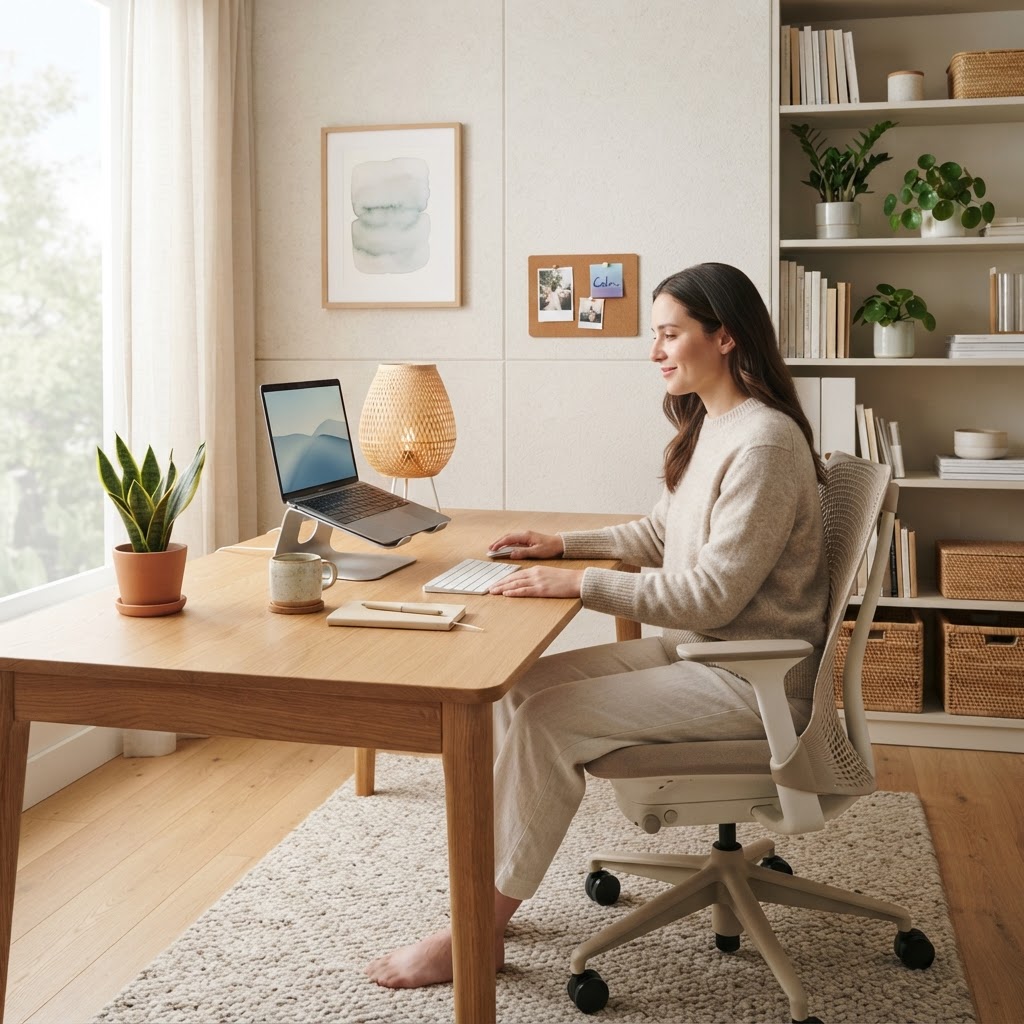
How to Create a Sensory-Friendly Home Office
Creating a sensory-friendly home office is all about crafting a space that works with your nervous system instead of against it. If you find yourself feeling drained by harsh fluorescent lights, distracted by background hums, or agitated by certain textures, you aren't alone. Making your workspace comfortable isn't just about 'productivity'—it is about dignity and your mental well-being. By adjusting your environment to match your specific sensory needs, you can reduce cognitive load and find a flow state that feels sustainable.
Rethink Your Lighting for Comfort
Lighting is often the biggest culprit in sensory overload. If you are struggling with headaches or fatigue by noon, your overhead light is likely the villain. Bright, flickering, or cool-toned bulbs can cause significant strain for neurodivergent individuals.
Practical Steps for Softer Lighting
- Ditch the overheads: Rely on task lighting rather than the main room light whenever possible.
- Choose warm tones: Look for 'warm white' or 'soft white' bulbs (2700K-3000K) to create a calmer atmosphere.
- Use diffusion: If you must use overheads, consider using a light shade or a cover to soften the glare.
- Smart bulbs: Invest in bulbs that allow you to adjust both brightness and color temperature throughout the day.
Master the Art of Sound Dampening
Sound is invisible, but it can be incredibly loud for someone with sensory sensitivities. Even a quiet home has small noises—the hum of a refrigerator, the distant rumble of traffic, or the clicking of a keyboard—that can break your concentration.
Soundproofing on a Budget
- Soft surfaces are key: Hard walls and floors reflect sound. Add thick curtains, rugs, and wall tapestries to absorb echoes.
- White noise machines: Sometimes, the best way to mask distracting noises is to introduce a steady, predictable sound like a fan or a white noise machine.
- Noise-canceling headphones: These are non-negotiable for many people. Look for comfortable, lightweight options that don't press too hard on your ears.
"Your environment is an extension of your brain. When you lower the sensory 'noise' in your room, you create more internal space for your actual work."
Texture and Tactile Comfort
We often ignore the physical sensations of our furniture, but touch is a powerful sensory input. If your chair feels like sandpaper or your desk feels cold and unwelcoming, your body will constantly send 'alert' signals to your brain. You want your workspace to feel like a safe physical container.
Choosing the Right Materials
- Seek out comfort: If you have skin sensitivities, prioritize natural fibers like cotton, bamboo, or soft velvet for your chair cushions.
- Desktop feel: A large desk mat can change the entire feel of your workspace, providing a warm, soft surface for your wrists.
- Fidget-friendly zones: Keep a small box of tactile items nearby, such as stress balls, smooth stones, or textured putty, to help regulate your nervous system during meetings.
Organizing for Visual Calm
Clutter is a form of visual noise that can be incredibly distracting for neurodivergent brains. However, a 'minimalist' aesthetic isn't the only solution. You need a system that makes sense to you.
Strategies for Visual Regulation
- Hidden storage: Use opaque bins or cabinets to hide visual clutter when you aren't using it.
- Categorized zones: Keep your 'active' tools within reach, but clear the rest of your desk at the end of the day to create a 'blank slate' for tomorrow.
- Personal comfort items: It is perfectly okay to have things that bring you joy. A plant, a favorite piece of art, or a specific scent can serve as a positive sensory anchor.
Final Thoughts on Your Workspace Journey
Remember, your office doesn't have to look like a Pinterest board to be effective. It just needs to be a place where you feel physically safe and mentally focused. Start by changing one thing today—maybe replace a harsh bulb or put down a rug—and observe how your body feels tomorrow. You deserve a space that celebrates your unique way of working.