
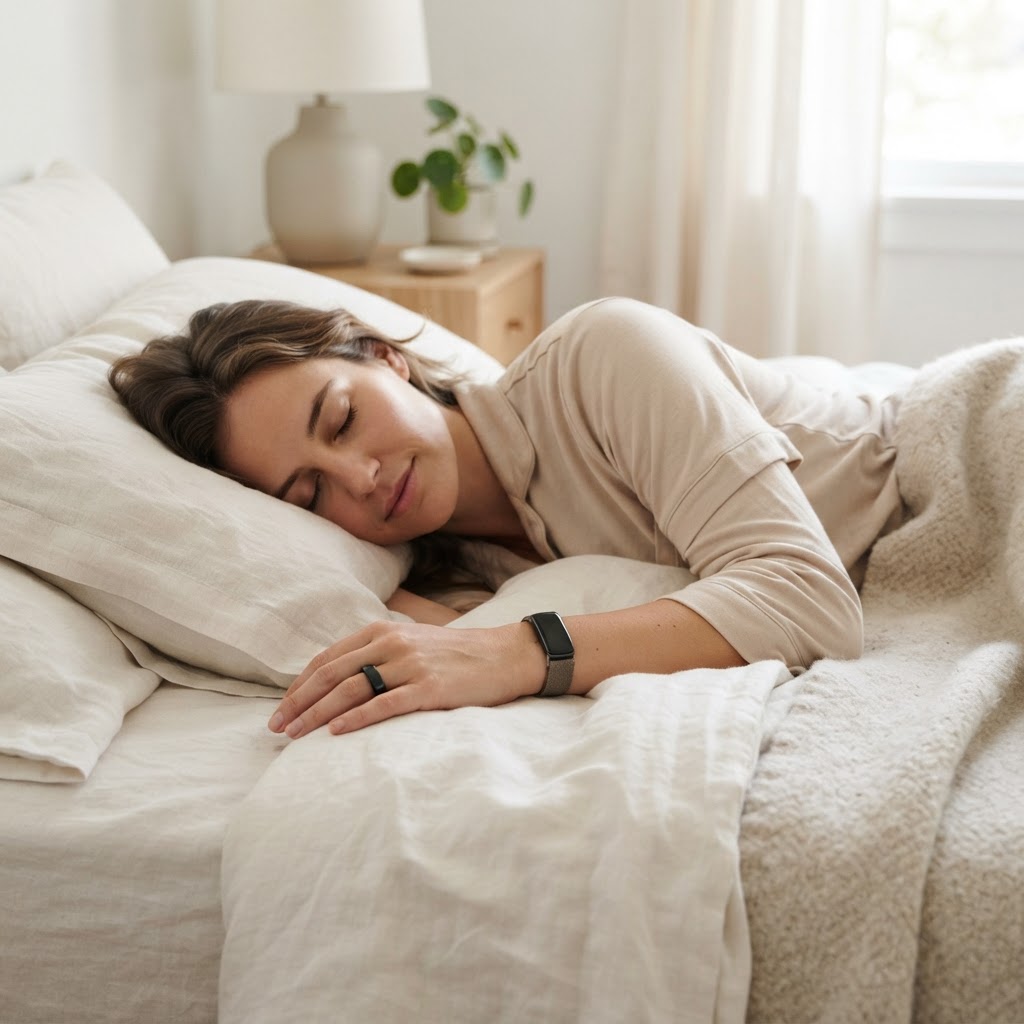
Best Smart Wearable Devices for Sleep Tracking in 2024
If you are tired of waking up feeling like you haven't slept a wink, you aren't alone. Tracking your sleep has become one of the easiest ways to figure out why your energy levels are bottoming out by mid-afternoon. The best smart wearable devices for sleep tracking don't just count hours; they help you understand your unique patterns so you can make tiny, impactful changes to your daily routine.
Why Tracking Sleep Matters for Everyone
Think about the last time you felt truly refreshed. For most of us, that feeling is rare. Sleep isn't just about closing your eyes; it is a complex process where your brain and body repair themselves. If you are just guessing how you slept based on how groggy you feel, you are missing half the story.
Modern wearables act like a silent partner in your health journey. They track your heart rate, movement, and sometimes even blood oxygen levels to map out your light, deep, and REM sleep cycles. When you look at your data, you might realize that that glass of wine at 8 PM is actually cutting your deep sleep time in half. That is the power of wearable tech.
Choosing the Right Tracker for You
When you aren't an athlete training for a marathon, you don't need a bulky gadget with complicated buttons. You need something that just works. For most people, the ideal device is one you forget you are even wearing. You want a balance of data accuracy and a clean, user-friendly interface.
I always tell my friends to look for these three things first:
- Comfort: If it's too big, you won't wear it to bed.
- Battery Life: You shouldn't have to charge it every single day.
- App Experience: The data needs to be simple enough to read over morning coffee.
Top Contenders for Sleep Tracking
There are hundreds of gadgets out there, but a few stand out for their reliability and ease of use. Here are my top picks for non-athletes who just want to feel better.
1. The Oura Ring Gen3
This is widely considered the gold standard for non-intrusive tracking. Because it’s a ring, it feels more natural than a watch. The data it provides—specifically its 'Readiness Score'—is incredibly helpful for understanding when you need to slow down.
2. Fitbit Charge 6
If you prefer a screen, the Charge 6 is fantastic. It’s small, lightweight, and offers some of the most reliable sleep stage data on the market. The Fitbit app is also super intuitive, making it a breeze to see your weekly trends.
3. Google Pixel Watch 2
For those who want a full smartwatch experience, this is a great choice. It integrates perfectly with your phone and provides deep insights into your sleep quality and heart rate variability without being overly complex.
"Sleep tracking isn't about aiming for perfection every night; it's about spotting the patterns that help you build a sustainable, healthy routine over time."
Making Sense of Your Sleep Data
Once you have your device, you might feel overwhelmed by the graphs. Don't be. You don't need a medical degree to understand what’s happening. Look for the big picture, not the daily fluctuations.
Are you getting enough deep sleep? Is your resting heart rate trending downward? These are the real metrics that matter for your long-term health. If you see a dip in your score, ask yourself what was different about that day. Did you eat late? Was the bedroom too warm?
- Consistency is key: Aim for the same bedtime window even on weekends.
- Temperature matters: Keep your room cool for better quality rest.
- Mind the light: Try to put the phone away 30 minutes before bed.
Final Thoughts on Your Wellness Journey
Finding the right device is just the first step. The goal is to use that information to tweak your habits. If your tracker shows you consistently lose sleep on Tuesdays, maybe that’s the night you skip the late-night work session. Small, intentional changes lead to the biggest results.
You deserve to wake up feeling ready for the day. Pick a device that fits your style, trust the data, and be kind to yourself as you learn what your body needs to thrive.