
Best Non-Dairy Protein Sources for Aging Athletes
If you are an athlete moving into your 50s, 60s, or beyond, you have likely noticed that the rules of the game have changed. Recovery takes a little longer, your stomach might be more sensitive to common proteins like whey or casein, and holding onto that hard-earned muscle requires a more strategic approach. The good news? You do not need dairy to build or maintain strength. The best non-dairy protein sources for aging athletes are not only effective, but they are also often easier to digest and loaded with anti-inflammatory compounds that help keep your joints and muscles happy.
Why Your Protein Needs Change With Age
As we get older, our bodies undergo a process called anabolic resistance. Simply put, your muscles become a bit more stubborn about responding to protein. To trigger the same muscle-building signals you enjoyed in your 20s, you now need a higher dose of high-quality amino acids—specifically leucine—in every meal.
Many aging athletes struggle with lactose intolerance or general digestive bloating caused by traditional dairy-based supplements. Switching to high-quality, plant-based proteins can be a total game-changer. You get the amino acids you need without the stomach distress that often comes with dairy, allowing you to train harder and recover faster.
The Power of Plant-Based Amino Acid Profiles
One of the biggest myths in nutrition is that plant proteins are "incomplete." While it is true that some plants lack high levels of certain amino acids, your body is smart. It maintains a pool of amino acids throughout the day. As long as you eat a varied diet, you will hit all your targets.
For aging athletes, focusing on leucine-rich plant sources is your primary goal. Leucine is the "on switch" for muscle protein synthesis. By combining sources or using blended plant proteins, you ensure your body has the raw materials to repair muscle fibers after a tough workout.
Top Tier Non-Dairy Protein Sources
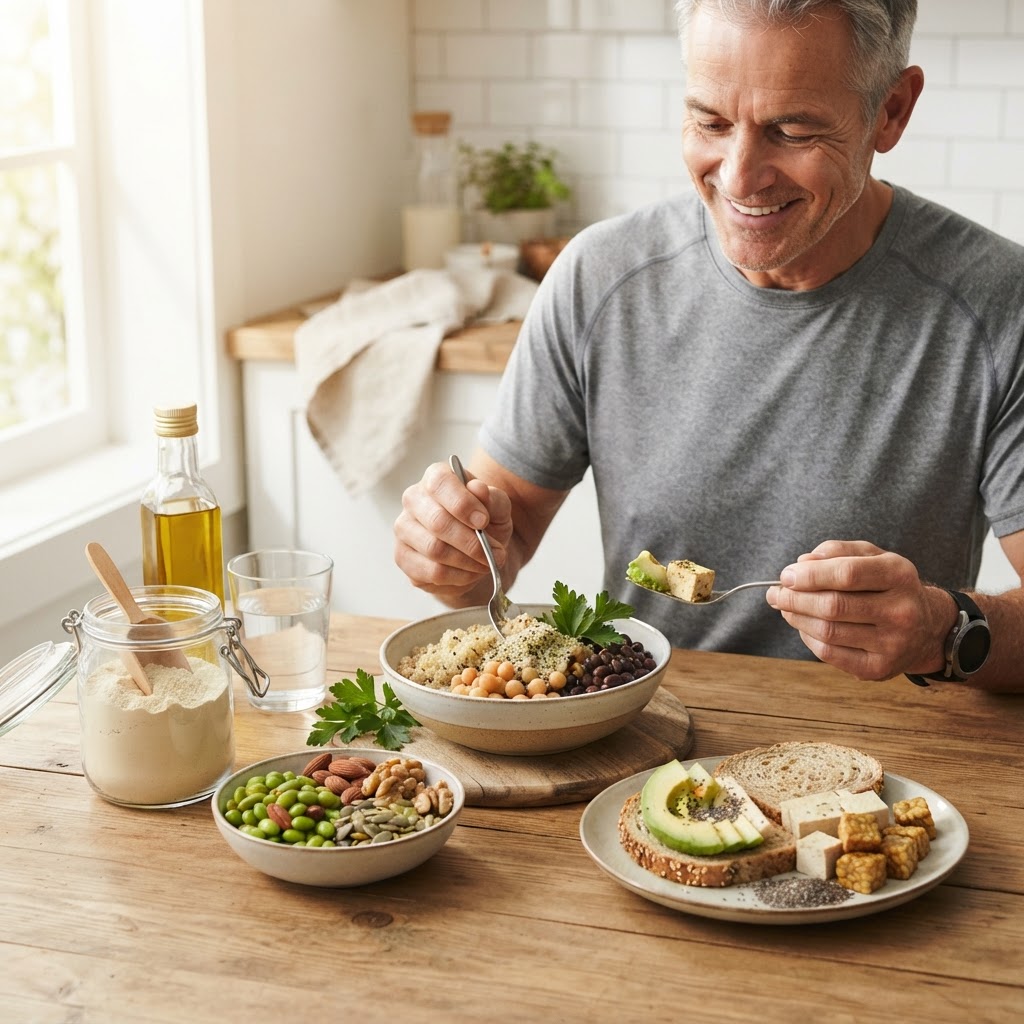
When looking for the best plant-based proteins, quality and absorption are key. Here are the most effective options for your recovery:
- Tempeh: Unlike tofu, tempeh is fermented, which makes it significantly easier on the gut. It offers roughly 19-20 grams of protein per cup.
- Seitan (Wheat Gluten): This is a protein powerhouse. With about 25 grams of protein per 3.5 ounces, it is dense, but be mindful if you have celiac disease or gluten sensitivity.
- Lentils and Chickpeas: These are excellent for heart health and fiber, though you need to eat larger portions to hit high protein targets.
- Pumpkin Seeds: A surprisingly potent snack. A quarter-cup provides about 9 grams of protein and plenty of magnesium, which is crucial for muscle relaxation.
- Soy Protein Isolate: This is often the most complete plant protein, offering a profile very similar to whey without the dairy side effects.
"As an aging athlete, your focus should shift from just hitting a protein number to optimizing the quality and digestibility of your intake. Plant-based proteins provide the added bonus of phytonutrients that help combat exercise-induced oxidative stress."
Making Protein Digestion Easier
If you find that your digestion has become a bottleneck, how you prepare your food matters just as much as what you eat. Soaking grains and legumes or opting for sprouted versions of bread and seeds can drastically reduce anti-nutrients like phytates, which can interfere with mineral absorption.
Another trick is to pair your protein with probiotic-rich foods like kimchi or sauerkraut. Supporting your gut microbiome is essential for aging athletes because a happy gut translates to better nutrient absorption. When your gut works efficiently, you waste less time feeling sluggish and more time feeling ready for your next session.
Designing Your Post-Workout Recovery Shake
Gone are the days when you could just drink a sugary shake and call it a day. For better muscle preservation, aim for 25-35 grams of high-quality plant protein post-workout. If you are using a powder, look for a blend—typically pea and rice protein.
Why a blend? Pea protein is high in lysine but lower in methionine, while rice protein is the opposite. Combining them creates a complete amino acid profile that rivals dairy. Add a handful of berries for antioxidants and a tablespoon of flaxseed for omega-3s, and you have a recovery powerhouse.
Actionable Tips for Consistent Gains
Consistency beats intensity, especially as you age. Here is how to keep your nutrition on track without turning it into a full-time job:
- Distribute your intake: Do not "save" all your protein for dinner. Aim for 20-30 grams at every single meal to keep muscle protein synthesis active all day.
- Listen to your gut: If a specific bean or grain leaves you bloated, rotate it out. There are enough plant-based options that you never have to force-feed yourself anything that makes you feel unwell.
- Track your fiber: While fiber is good, too much right before training can cause issues. Move your high-fiber intake to earlier in the day or later in the evening.
- Stay hydrated: High protein intake requires extra water to help your kidneys filter byproducts efficiently. Keep a water bottle nearby.
Conclusion: Your Body, Your Rules
Transitioning to non-dairy protein sources doesn't just help your muscles—it helps your energy levels and your overall well-being. By choosing fermented foods, high-quality plant blends, and focusing on consistent distribution throughout the day, you can continue to perform at your peak regardless of your age.
Remember, your athletic journey is a marathon, not a sprint. Be patient with your body as it adapts to new fuel sources. Celebrate the fact that you are still pushing boundaries and prioritizing your health. With the right nutrition, your best athletic years might just be ahead of you.