
10 Best Low-Impact Exercises for Chronic Fatigue Recovery
Finding the right way to move your body when you live with chronic fatigue feels like walking a tightrope. You want to stay strong and keep your joints healthy, but the fear of a crash—what scientists call Post-Exertional Malaise (PEM)—is always in the back of your mind. If you are looking for the best low-impact exercises for chronic fatigue recovery, you have come to the right place. The goal here isn't to "push through" the pain, but to find gentle, sustainable ways to support your nervous system while keeping your muscles gently engaged.
Understanding Your Energy Envelope
Before we look at specific movements, we need to talk about your energy envelope. Think of your energy like a monthly budget. If you spend more than you have, you end up in "debt," which manifests as a debilitating crash. The key to safe recovery is finding movements that stay well within your daily budget.
Recovery isn't about fitness gains in the traditional sense. It is about biological maintenance. When you start a new routine, aim for activities that you can do on your "bad days" without feeling worse afterward. If you feel energized after a session, you have hit the sweet spot.
The Power of Horizontal Movement
One of the most effective ways to reduce the burden on your heart and nervous system is to exercise while lying down. When you are horizontal, your heart doesn't have to fight gravity to pump blood to your brain and limbs. This simple shift can make a massive difference in preventing fatigue.
Floor-Based Stretching
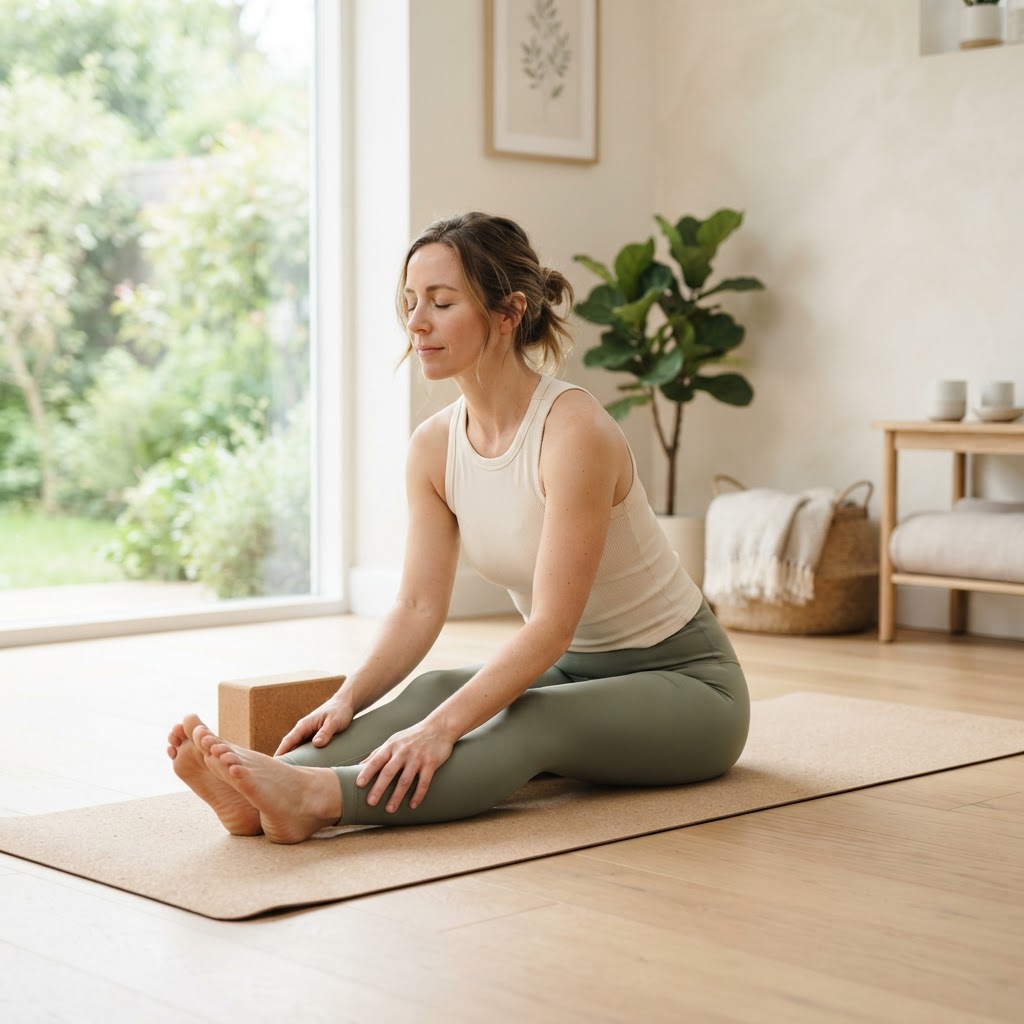
Simple, floor-based stretches are the gold standard for starting out. Focus on large muscle groups without adding resistance. Gentle neck rolls, ankle circles, and leg slides are perfect starting points.
- Leg Slides: Lie on your back, slowly slide one heel toward your glutes, then extend it back out.
- Pelvic Tilts: Gently rock your pelvis forward and backward while breathing deeply. This engages the core without strain.
- Gentle Twists: With knees bent, slowly sway your legs side-to-side while keeping your shoulders pinned to the floor.
Modified Pilates
Traditional Pilates can be too intense, but modified, lying-down versions are wonderful. Focus purely on controlled breathing and micro-movements. You are not trying to get a "burn"; you are simply encouraging blood flow and lymphatic drainage.
"Movement should be a gift to your body, not a tax on your limited energy reserves. When in doubt, do less than you think you can handle."
Breath-Centered Movement
If you find even minor physical movement triggers your fatigue, start with your breath. The way you breathe directly influences your autonomic nervous system. By switching from chest breathing to diaphragmatic breathing, you signal to your body that it is safe to rest and repair.
Try the 4-7-8 breathing technique while lying in bed. Inhale for four counts, hold for seven, and exhale slowly for eight. This acts as a gentle "reset button" for your nervous system, often helping to lower your resting heart rate before you attempt any physical movement.
Why Resistance Training Might Be Your Best Friend
It sounds counterintuitive, but light resistance can actually be less fatiguing than cardio. Cardio often spikes the heart rate, which can trigger PEM. Light, slow resistance training, however, focuses on muscle engagement without the cardiovascular tax.
Use your own body weight or very light resistance bands. The focus is on slow, eccentric movements. Perform one repetition every ten seconds. This slow pace prevents the "fight or flight" response that can lead to a crash. Focus on large muscles: glutes, thighs, and back, as these help with posture and general stability.
When to Stop: Listening to the Red Flags
Your body will give you signals long before a full-blown crash happens. Learning to interpret these is the most important skill you can develop. If you notice any of these signs, stop immediately and rest:
- A racing heart or palpitations that don't settle quickly.
- "Brain fog" or a sudden inability to concentrate.
- A feeling of heaviness in your limbs that persists.
- Lightheadedness or dizziness when changing positions.
It is vital to distinguish between "good tired" (muscle fatigue) and "bad tired" (the systemic exhaustion associated with chronic illness). If you feel like your "battery" is draining faster than usual, your session is over for the day. Remember, consistency is better than intensity.
Building Your Routine for Long-Term Success
Start with just five minutes. I know that sounds small, but five minutes done consistently is infinitely better than an hour done once a month that leaves you bedridden. Track your sessions in a simple journal. Note the exercise, the duration, and most importantly, how you felt the next morning.
The Importance of Recovery Days
Never exercise two days in a row when first starting. Give your body a full 24-48 hours to recover between sessions. This "resting gap" is where the actual healing happens. By giving your body the space to consolidate these small movements, you build a foundation that will eventually allow for more activity down the road.
Celebrate your small wins. Did you manage five minutes of floor stretches today? That is a victory. Every small movement counts toward your long-term health, and you deserve to feel proud of every step you take in your recovery journey.