
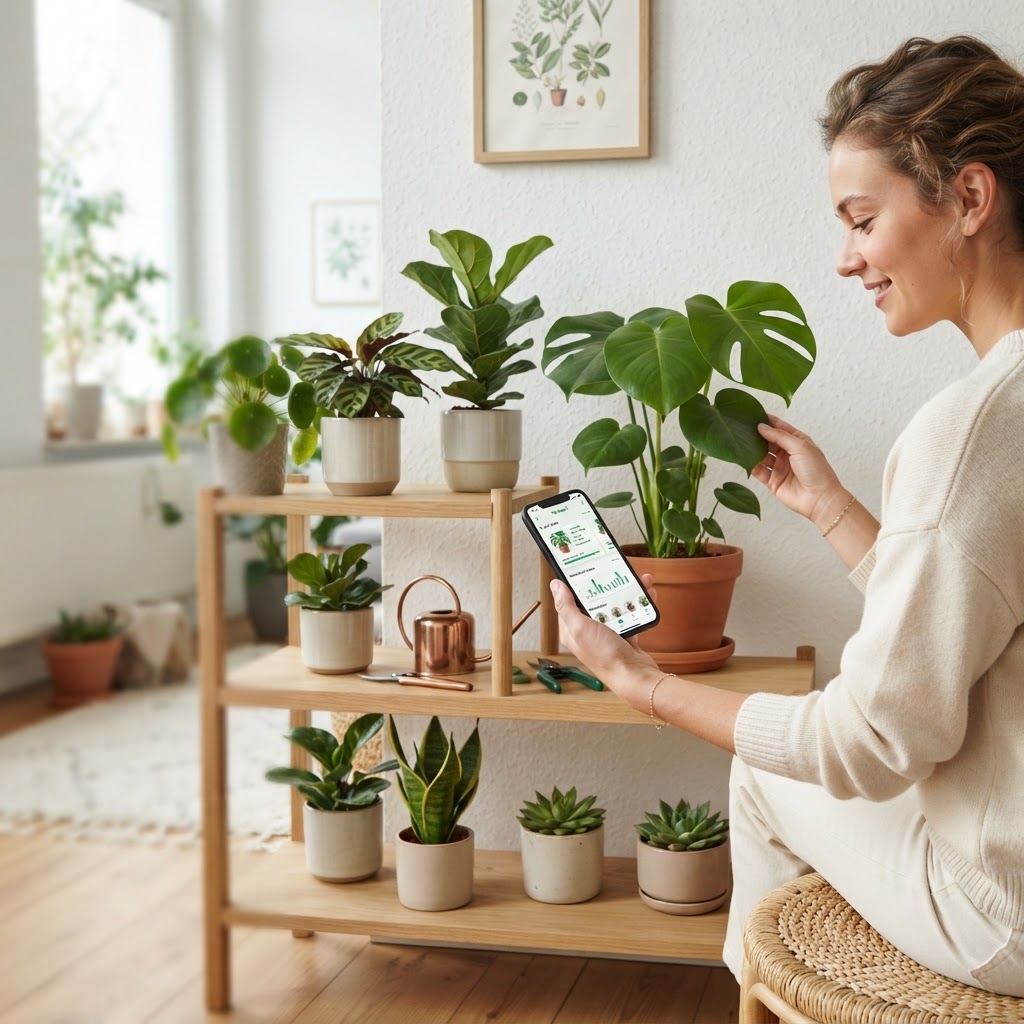
Best Indoor Gardening Apps for Tracking Plant Health
If you are tired of watching your favorite fiddle leaf fig turn into a brown, crispy stick, you are not alone. Keeping indoor plants alive is an art, but it is one you can master with the right technology. The best indoor gardening apps for tracking plant health act like a personal assistant for your greenery, moving beyond simple aesthetics to provide real, actionable data on watering schedules, light requirements, and pest management.
Why Most Plant Apps Fail You
Walk into any app store, and you will see dozens of plant apps promising to turn your home into a jungle. The problem? Many are glorified sticker books or social media clones. They look pretty, but they do not provide the granular control you need.
An app that only sends a generic notification to "water everything" on a Monday is actually dangerous for your plants. Different species have vastly different needs. A cactus and a peace lily sitting in the same room require totally different care cycles.
- Aesthetics-only apps lack a database of specific light-metering tools.
- Many apps fail to account for your local humidity and temperature.
- Generic reminders ignore the seasonal needs of your plants.
You need an app that adapts to your home environment, not one that treats all your plants like the same generic entity.
Top Picks for Genuine Plant Care
When we talk about tracking health, we are looking for apps that allow for customized care logs, photo-based identification, and community-verified advice. These tools help you build a habit that leads to long-term plant success.
1. Planta: The Gold Standard for Beginners
Planta is widely considered the best all-rounder. It excels because it asks you to input your specific home lighting conditions and even your skill level.
Its killer feature is the intelligent care schedule. It does not just remind you to water; it calculates when you should water based on weather data in your specific area. If it is a rainy week, the app knows to delay your watering schedule for your outdoor-facing indoor plants.
2. PictureThis: The Diagnostic Powerhouse
Sometimes, the issue isn't water; it is a hidden pest or a fungal infection. PictureThis uses advanced AI photo recognition to diagnose plant diseases within seconds.
Think about the last time you saw a weird spot on a leaf and spent three hours googling symptoms. PictureThis takes that anxiety away. You snap a photo, and the app identifies the ailment and gives you a step-by-step treatment plan.
"A plant is only as healthy as the environment you provide for it. Tracking is about consistency, not just intervention."
Features That Actually Keep Plants Alive
When you are downloading an app, ignore the "sharing" features for a moment. Look for these three critical components to ensure you are actually tracking health, not just looking at photos.
- Smart Notifications: Look for apps that allow you to snooze or adjust tasks based on your own observation.
- Light Metering: Many modern phones have light sensors; use an app that taps into this to tell you if your plant is in a 'low light' or 'bright light' zone.
- History Logging: You need to see if a plant has been wilting for three weeks or just since yesterday. Logging your observations is key to debugging health issues.
Integrating Technology into Your Routine
Technology is only as good as the user. If you do not record your actions, the app cannot help you. Make it a habit to check your app while you are holding your watering can. It turns plant maintenance into a mindful ritual rather than a chore.
Troubleshooting Common Issues
If you find your plants are still struggling despite using an app, check your settings. Are your humidity levels set correctly? Is your soil type updated in your profile?
- Update your plant list whenever you bring something new home.
- Check the soil manually before following the app's 'water' alert.
- Record every fertilizer dose to prevent chemical burn.
By keeping this data consistent, you are essentially building a medical record for your plant collection. This data makes it much easier to spot a pattern when something goes wrong.
Final Thoughts on Plant Health
Tracking your plant's health does not have to be complicated. Whether you choose a tool that relies on AI diagnostics or one that focuses on rigid, smart schedules, the goal is the same: providing consistency. Use the features that speak to your specific pain points. If you are forgetful, get the app with the best notification engine. If you are prone to underwatering, get the one with the best environmental sensors. You have got this, and your plants will thank you.