
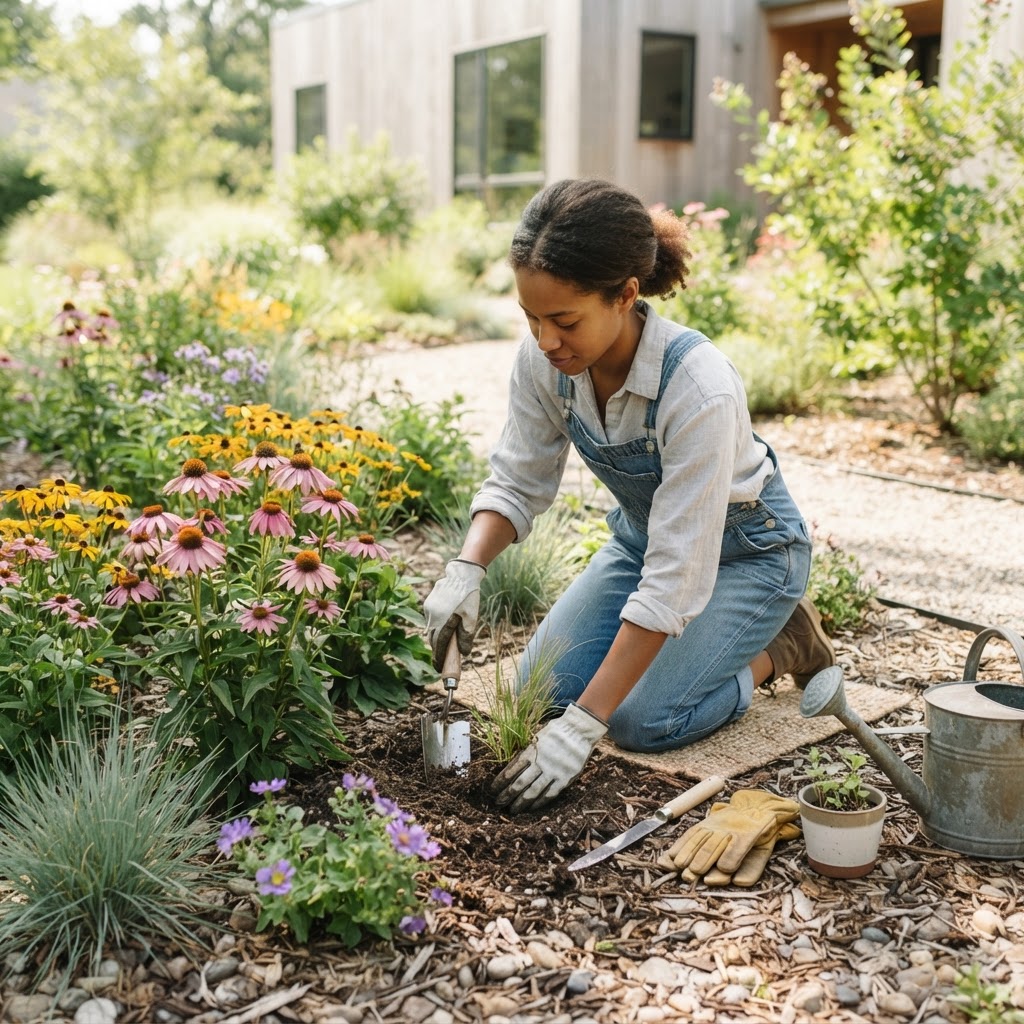
Beginner Guide to Native Plant Landscaping: Go Sustainable
If you are tired of spending every Saturday mowing a thirsty, chemical-dependent lawn, you are in the right place. Switching to native plant landscaping is the single most impactful way to turn your backyard into a thriving, low-maintenance sanctuary. By choosing flora that naturally belongs in your specific region, you save gallons of water, eliminate the need for synthetic fertilizers, and provide a vital lifeline for local pollinators like bees and butterflies. This guide will walk you through the practical steps to swap high-maintenance turf for a beautiful, sustainable garden that works with nature, not against it.
Why Native Plants Are a Game Changer
Think about the last time you looked at a perfectly manicured, golf-course-style lawn. It looks nice, sure, but it is essentially a green desert. Most non-native turf grasses require massive amounts of water and supplemental feeding to survive outside their ideal conditions. Native plants, on the other hand, have spent thousands of years evolving alongside your local soil, climate, and wildlife. This means they are naturally resilient.
- They require significantly less water once established.
- They do not need chemical fertilizers or pesticides.
- They provide essential food and habitat for native birds and insects.
- They have deep root systems that help prevent erosion and improve water quality.
"Native plants are the backbone of a healthy local ecosystem. When you plant them, you are literally inviting nature back to your doorstep." – Local Garden Expert
By moving away from a monoculture lawn, you stop being a caretaker of grass and start being a steward of biodiversity. Plus, you gain back all those hours you used to spend edging, mowing, and worrying about brown spots.
Step 1: Observe Your Space and Soil
Before you rip out a single patch of sod, take a walk around your yard at different times of the day. Notice where the sun hits hard and where the shadows linger in the afternoon. Plants that love full sun will struggle in the shade, and shade-loving ferns will wilt in the midday heat. Understanding your site conditions is the secret to a stress-free garden.
Pay attention to how water moves across your land during a heavy rain. Does it pool in one corner? Does it run off quickly? This tells you whether you have sandy, well-draining soil or heavy, water-retaining clay. Your goal is to match the plant to the place. If you have a soggy spot, pick plants that enjoy "wet feet" rather than trying to fix the drainage of your entire yard.
Step 2: Planning Your Native Plant Palette
Now comes the fun part: picking your plants. You might be tempted to head to a big-box store, but local nurseries or native plant societies are your best friends here. They carry plants that are actually local to your area, not just regional imports that happen to be trendy. A good rule of thumb is to look for keystone species, which are plants that support the highest number of local butterfly and moth species.
- Search for "native plant nursery near me" to find experts.
- Choose a mix of perennials, grasses, and shrubs to create layers.
- Think about seasonal interest—aim for a mix of spring bloomers, summer nectar sources, and late-fall seed heads for birds.
Step 3: Removing the Old Turf
There is no need to use harsh chemicals to kill your lawn. You can use a method called sheet mulching (or "lasagna gardening"). This is the gold standard for beginners because it is effective, cheap, and builds soil health while you wait. Start by mowing your existing grass as short as possible. Cover the area with a layer of plain brown cardboard, overlapping the edges so no light gets through. Then, cover that with a few inches of organic mulch or compost.
This suppresses the grass and creates a perfect, weed-free zone for your new plants. You can plant directly into the soil by cutting an "X" into the cardboard, or wait a few months for the grass to decompose naturally underneath. It saves your back and keeps your soil biology happy.
Maintenance Tips for a Sustainable Garden
Once your plants are in the ground, they will need a little "tough love" to get established. During the first growing season, you will need to provide water to help their roots reach deep into the earth. After that first year, however, most native species become drought-tolerant champions. You will only need to water them during extreme, prolonged dry spells.
Don't worry about keeping everything tidy. In a native garden, leaving the leaves and keeping seed heads on through the winter is actually better for your local birds and beneficial insects. This is where you save the most time: your "chores" are essentially just enjoying the garden, pulling the occasional unwanted weed, and watching the ecosystem come to life.
Start Small and Celebrate Your Wins
It is easy to get overwhelmed by the idea of converting a massive lawn. Don't feel pressured to do it all at once. Start with a single garden bed or convert a corner of your yard that you never use anyway. Watching a butterfly land on a coneflower you planted with your own hands is an incredibly rewarding experience. These small, impactful changes add up to a healthier environment for everyone. You are not just gardening; you are helping build a resilient future, one native plant at a time.