
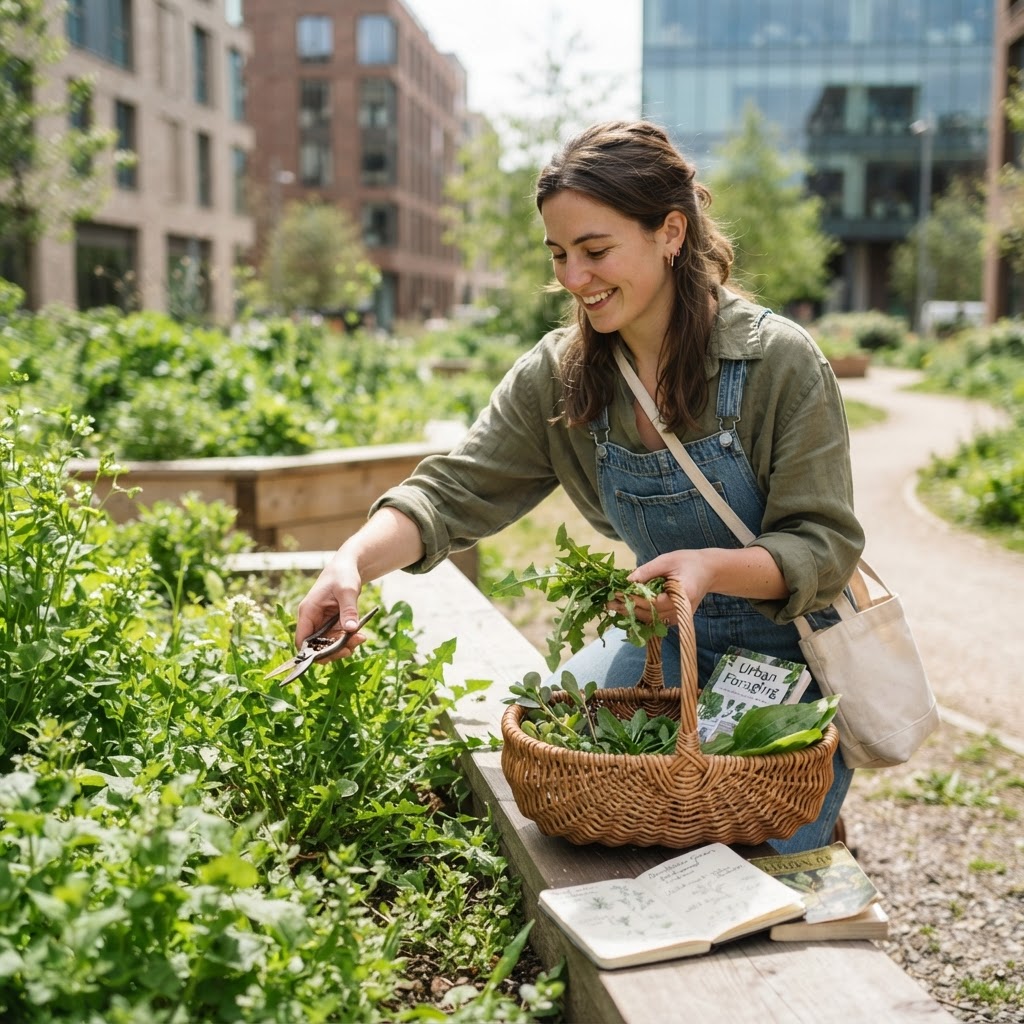
Beginner Guide to Foraging Urban Edible Plants: City Survival
You might be surprised to learn that your city is likely filled with delicious, wild edibles hiding in plain sight. Foraging for urban edible plants is a rewarding way to connect with your local environment, save money on groceries, and add fresh, nutrient-dense ingredients to your kitchen. Whether it is a patch of dandelions in your local park or wild garlic growing along a fence, urban foraging is a legitimate skill, provided you follow the golden rules of safety and legality.
The Golden Rules of Urban Foraging Safety
Before you start harvesting, you need to understand that the city is a unique ecosystem with its own set of risks. Unlike foraging in a remote forest, city plants can be exposed to pollutants, heavy metals, and pesticides. Your health is the number one priority, so never skip the due diligence.
Where to Forage (and Where to Avoid)
The most critical step in urban foraging is choosing the right location. You want to look for areas that have been left undisturbed for a long time and are away from heavy industrial activity.
- Avoid land right next to busy roads, which can leave a residue of car exhaust on your greens.
- Stay away from areas where lawn chemicals or pesticides are frequently applied.
- Look for spots that are clearly away from dog walking paths or industrial runoff.
"The most important rule in foraging is simple: If you aren't 100% sure what it is, don't eat it." - A seasoned urban forager
Always look for 'clean' soil. If the area was previously a factory or a gas station, the soil may be contaminated with lead or other toxins. When in doubt, stick to plants that grow on sturdy, established perennials rather than low-lying leafy greens that absorb ground-level toxins.
Identifying Your First Few Plants
Starting small is the best way to build your confidence. Don't try to identify every plant you see. Focus on learning three to five common, easily identifiable plants that you can find in almost any urban setting.
Dandelions: The Urban Superfood
Almost everyone recognizes the dandelion. Every part of this plant is edible, from the yellow petals in a salad to the roots roasted as a coffee substitute. When you are just starting, focus on the leaves. They are slightly bitter but packed with vitamins, and they are incredibly hard to mistake for anything toxic.
Plantain (Not the Banana Kind)
Plantain is a common weed that grows in sidewalk cracks and lawns. It has broad, ribbed leaves that are excellent for soothing minor skin scrapes, but they are also delicious when sautéed. Look for the distinct, parallel veins running along the length of the leaf to identify it easily.
Wood Sorrel
If you find a plant that looks like a delicate, three-leaf clover but has little yellow flowers, you have found wood sorrel. It has a bright, lemony flavor that is perfect for brightening up a bland salad. Because of its distinctive heart-shaped leaflets, it is one of the safest plants for a beginner to identify.
Understanding Local Laws and Ethics
Foraging in the city is not just about what you can eat; it is about respecting your community. Most local parks have specific regulations regarding the harvesting of plants. Always check your city’s municipal code before you head out with your basket.
The Ethics of Harvesting
Even if it is technically legal, you should always practice the 10% rule. Never take more than 10% of a patch. This ensures the plant can continue to reproduce and that the local wildlife still has food to eat. If you see only one plant of a certain species in an area, leave it alone entirely.
Being a Good Steward
Foraging should be a restorative act. If you see trash in your foraging spot, pick it up. If you notice a patch is struggling, give it space to recover. When you interact with the land with gratitude, you become a guardian of that space rather than just a consumer.
Preparing Your Urban Harvest
Once you have safely gathered your finds, the final step is proper preparation. Wash your wild greens thoroughly, just like you would with store-bought spinach. A simple soak in a bowl of cold water with a splash of vinegar is usually enough to dislodge any dirt or unwanted hitchhikers.
Simple Ways to Enjoy Your Finds
- Toss fresh dandelion or plantain leaves into a mixed garden salad for a nutrient boost.
- Sauté wood sorrel or wild mustard greens with a little garlic and olive oil.
- Dry the roots of burdock or dandelion to steep into a grounding, earthy tea.
Remember that foraging is a journey. You will make mistakes, you will find patches that are ruined, and you will occasionally come home empty-handed. That is perfectly okay. The goal is to spend more time outdoors, learn the names of the green life surrounding you, and find a little bit of magic in the concrete jungle.